Unlock New Skills, Transform Your Career and Gain CPD points
Professional Practices for Complementary Therapists
This Module is included in the Phoenix Personal & Professional Growth Hub Membership
Staying professionally up to date isn’t just a box-ticking exercise
In the ever-evolving world of holistic and complementary therapies, staying professionally up to date isn’t just a box-ticking exercise; it’s a vital part of being a confident, competent, and trusted therapist. Whether you're fresh out of training, returning to practice after a break, or already working with clients every week, it’s easy to lose track of changes in legislation, ethical standards, or best-practice guidance.
This course was created to help you keep your professional house in order
From risk assessments and record keeping to client confidentiality and maintaining healthy boundaries, professional practice is the invisible framework that keeps your therapy work ethical, effective and legally sound.
When you're clear on your responsibilities, you can show up more powerfully for your clients—and rest easy knowing your business is operating with integrity.

Hygiene in the workplace
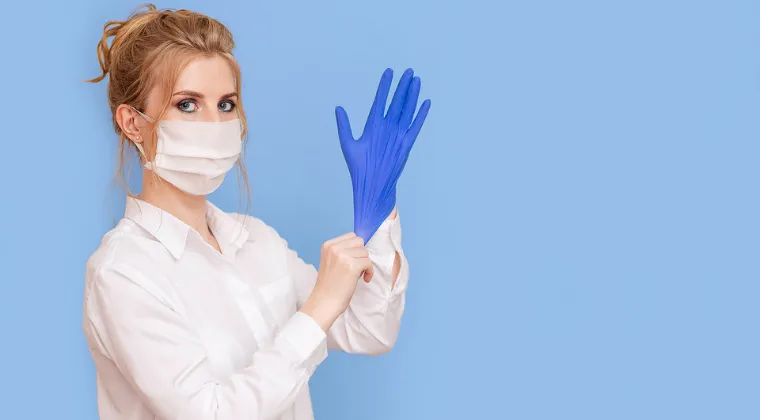
Active infections are obvious, and you shouldn’t work if you are unwell, however, it’s tempting to do so when you work for yourself. Although frustrating, you shouldn’t treat infected clients either; however, often the infection is symptomless, so the best we can do is to carry out good hygiene practices in the salon, which will help prevent cross and secondary infection and protect the welfare of you, your colleagues and clients.
The four types of infection that we need to protect against are caused by microorganisms, including bacteria, fungi, viruses and parasites; these are covered in detail in the this module


Polices & Practices
Every workplace should have its own policy around using disposable products versus sanitisation and personal presentation and protocols; within your practical training you will be given guidance on the options available for the tools and consumables that are used. When you establish your working protocols, you may stick to what you have been taught or look for new policies and procedures.

Hazards & Risk
A hazard is something that may happen, such as a trip, a fall, a cut or a reaction to the products used. The risk of the hazard becoming an actual event will be determined firstly by the environment and secondly by what steps are taken to minimise or remove the risk.
We deal with hazards all the time and address them without even realising.



Your Legal Responsibility for Health & Safety
The Health and Safety at Work Act’ is like an umbrella piece of legislation; it covers all health and safety legislation, whether it existed before 1974 or has been introduced since then. Simply, it lays down the basic rules we must follow.’ It applies to everyone, employers, employees and the self-employed. The Act states that it’s the responsibility of everyone to work in a healthy and safe manner.
Insurance, licensing & professional ethics
I think it’s very sad that our industry is not regulated and that anyone can set up a therapy business without having to be qualified or registered in most areas of the UK. There is, however, a piece of legislation called the Miscellaneous Provisions Act 1982, which allows local authorities to put in place their own requirements for localised registration, but it differs widely throughout the country.

Environmental Responsibilities
The Environmental Protection Act 2008 is similar to the Miscellaneous Provisions Act 1982 inasmuch as it allows local authorities to enforce its compliance through local bylaws. The aim is to ensure sustainable working practices in the workplace and households. A beauty salon can generate a great deal of waste and it’s important to ensure that you consider your use and disposal practices.
How skincare & facial treatments has benefited our members

Rosie Watts

This course was incredibly easy to navigate and well-structured, making the learning experience smooth and enjoyable and provided a wealth of key information about the anatomy of the skin. The modules on skin types and conditions were particularly helpful, and this has given me the confidence to communicate with clients about their skin concerns.
The videos were especially helpful and easy to follow and have given me the confidence to carry out professional facial treatments with expertise.
I highly recommend this course to anyone looking to enhance their skills in facial skincare.
Emma Jones
I would highly recommend the skincare course from someone that went into the course with very little knowledge. I feel after having done the course I am more knowledgeable and have all the information I need. The course covers everything you need for skincare and includes videos as well as written sections so it helps with how and what you learn as well as testing your knowledge.
If you are looking for an informative course on skincare that's not scary and actually helps you learn I would recommend this one!

Nicola Cocks
The course itself has been so useful for me as it has shown me some useful techniques for removing make up which is helpful for when I do a facial reflexology treatment.
I have never been shown in so much details about skin analyse so it is something I will start incorporating this into my facial reflexology process.
The course has actually given me some confidence to perhaps train in facials.
It was also really helpful to hear and see the aftercare advice especially the part about nutrition and vitamins.